
talking about practice, musically
plus my november resonance calendar

The lights flicker and an announcement over the loudspeaker tells us to take our seats. I find my way into the Concert Hall of the Barbican Centre. Tonight, the London Symphony Orchestra will be performing a programme of Debussy, Ravel, and Lutosławski, featuring pianist, Alice Sara Ott.
The conductor’s wand dances in the air. He leans in toward the violinists, as if he’s spilling a secret we’re all about to find out. The percussionists stand in the back, resting for multiple measures before they strike one single whole note which will resonate throughout the hall. The harpist deftly plucks away; an exercise in ambidexterity.
The camaraderie of an orchestra feels so familiar to me. I go to the symphony for nostalgia. To reconnect with my musical past.
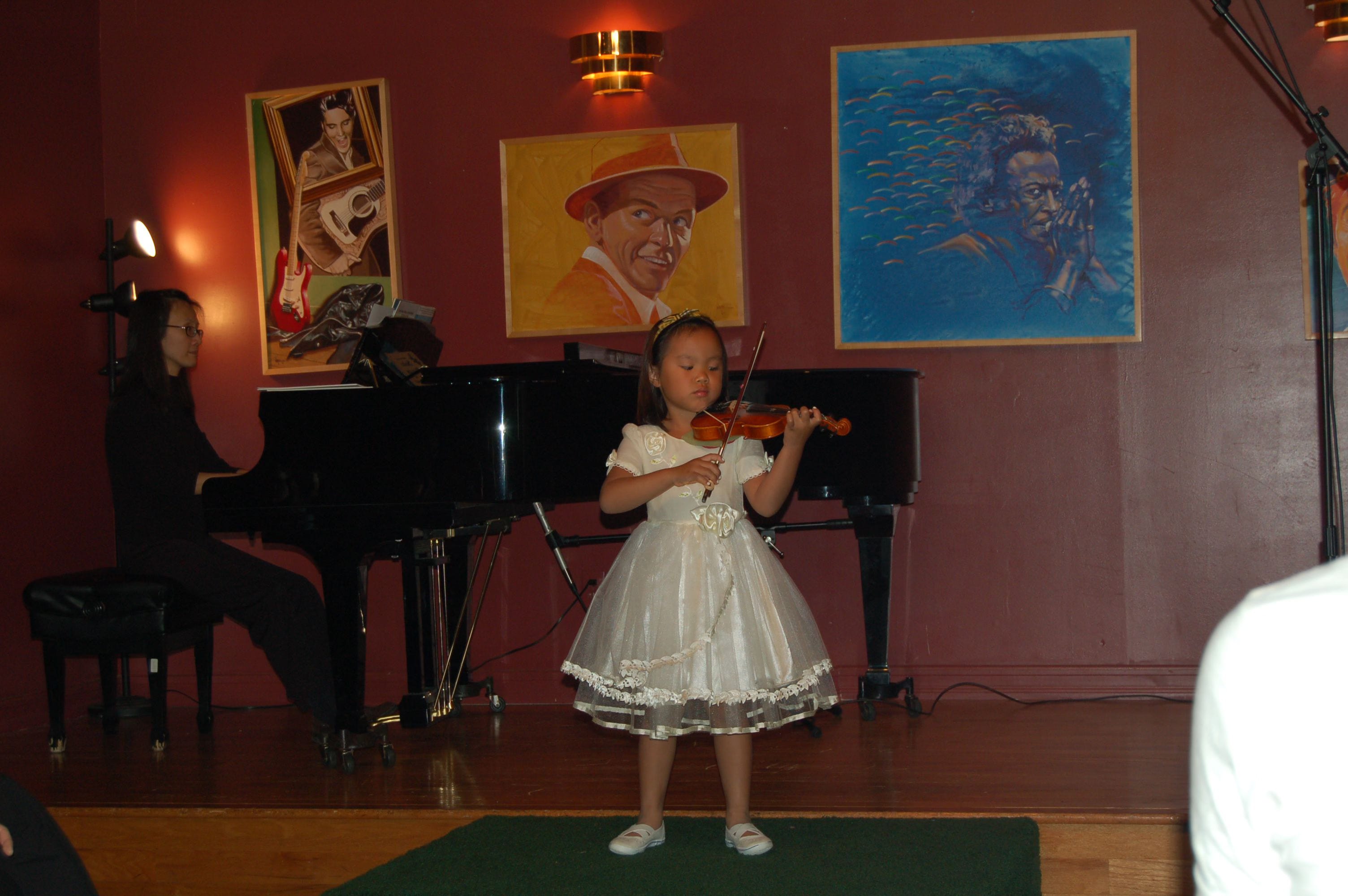
For twelve years, I trained in violin. At the age of five, I started playing—first with a cardboard cutout of a violin, just to learn the instrument’s parts. I then gradually moved through the ten volumes of the Suzuki method, performing arrangements of Bach, Dvořák, Vivaldi, and others.
I always felt a natural connection with the violin. My teacher used to say my strength was my “musicality,” and how my body would move to the piece I was playing. As the piece progressed, I’d express the musical conversation in my movements, as if parts of the piece were speaking to each other in distinct dialects. Through staccato stanzas I’d move my ear towards the violin’s shoulder with a playful twitch, hunching my shoulders slightly. In phrases that crescendoed I’d draw out broad strokes with drama.
Sitting in the audience always conjures a profound sense of sentimentality. Why is it that every time I watch a classical music performance I find myself reflecting on all the moments in my life? It’s been a while since I picked up my violin, but the lessons I learned from training in the instrument have stayed with me long since I stopped playing in high school.
***
Musicians have a love-hate relationship with the word, “practice.” Athletes may shudder when hearing the word too. Growing up, I was told I had to practice the violin for at least an hour every day. Each time, I’d do a routine warm-up. A-Major scale. D-Major, G-Major. Then move on to double-stops—playing two notes at once.
More than being a technical exercise, this was about setting my attention. It’s akin to meditation, where I focus on the pace of my breath and recognize when unconscious thoughts crop up. There’s something satisfying about finding the patterns and replicating it across strings. Hearing the rich and vibrant sound you’re generating. Listening to a phrase build in fullness. Your fingers know exactly where to fall. The hair of your bow dancing up and down the strings.
There’s the old adage that practice makes perfect, but I’m more focused on the repetition. Mastering technical pieces in the violin sometimes requires hours and hours of repeating just one measure. It’s deeply meticulous and frustrating. And on the day of the performance, I still would get it wrong. It’s all part of the idea that practice is you making invisible progress, but it takes humility to see that.
I learned to practice like no one was watching. Because if I didn’t practice, the only person who would lose face was me. I still have nightmares about messing up in my recitals or going to a weekly lesson with my violin teacher only for her to find out I hadn’t practiced sufficiently.
Life is a continuous series of practice. It’s about developing a streak. In order for you to reach your goals, you have to be willing to put in a little effort each day to maintain your competence. If you’re complacent and make excuses, that gets you nothing.
The greatest skill I got from playing the violin was discipline. Musicians, athletes, anyone who chases success—understands that practice is the fundamental ingredient to improvement. Everything is always a work in progress that must be tended to everyday. Practicing anything is a daily mental workout.
For me, being a musician meant putting my head and my hands together to wake up, rise, and do the same thing each day. It was about carving out the time to dedicate one hour toward something that didn’t always feel enjoyable, but that I knew would pay off. I’ve noticed that this delayed gratification is why I enjoy the work I do now. Research is a slow and steady task, where you don’t always feel recognition for your hard work. But I get to do something interesting and feel fulfillment on a day-by-day basis.
It’s the same reason why I try to exercise when I get up every morning. When I’m training for a race, I make a personal commitment to squeeze at least an hour of running into my day. With running, I focus on completing my one scheduled workout. In violin, I prioritize one section of a piece and empathetically analyze how I plan to go about it. If I can just do one thing and sharpen it, I feel a sense of accomplishment for the rest of my day.
***
Watching a live orchestra is seeing art in motion. You’re seeing material that was composed three hundred years ago living and breathing, repurposed in 2025. It’s an experience of collective effervescence to inhabit this shared space. You can’t help but sit in awe. The musicians and conductor speak in a unique language which I know took years and years to become fluent in. It’s a beautiful thing to take part in.
***
The conductor and musicians take their final bow. I leave the Barbican to walk back to the tube station feeling an immense sense of gratitude to have learned an instrument. Much appreciation for my parents and teachers who encouraged me to keep practicing and prepare for every recital and competition.
It’s more than the four strings and notes that I learned to play. It was a lesson in developing discipline and showing up, even when I didn’t feel like it. People are not born with discipline. Like an orchestral concerto, it’s built slowly, consistently, and deliberately. One day, I hope I’ll pick up my violin again. But even if I never do, the part of it that shaped me is still playing.
from my November resonance calendar:
MUSIC
“Tuff Times Never Last”, Kokoroko
“Dream Manifest”, Theo Croker
“Bird’s Eye”, Ravyn Lenae
BOOKS
Heart the Lover by Lily King
The Art of Spending Money by Morgan Housel
FILMS
The Worst Person in the World
One thing I find fascinating is that sometimes practice becomes performance. I feel with social media, particularly with athletic practice, sometimes training becomes performative in its own. There’s a desire to be perceived as someone “on the grind.” Is this difference from practicing for others future perceptions of our “performances”?
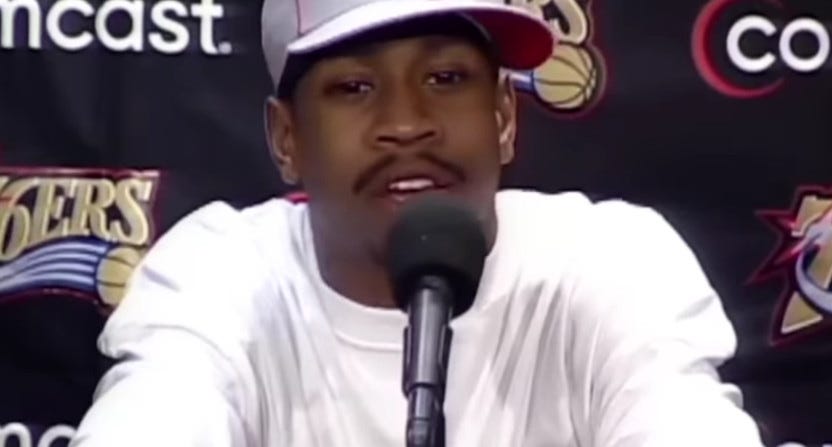
Not expecting an iverson reference in a piece about classical music! Love your writing as always